
Components
Exposure Lights
Powerful, British-built bike lights
ESTABLISHED
2005
FROM
South Downs, England
Exposure Lights builds some of the finest rechargeable bike lights in the world, and it builds them the hard way — in-house, in England, from CNC-milled aerospace-grade aluminium that's then hard-anodised for a body that shrugs off weather, grit, and the occasional unscheduled meeting with the tarmac. There are cheaper ways to make a bike light. Exposure has never been interested in any of them.
The brand grew out of Ultimate Sports Engineering, the Sussex outfit founded in 1990 by Roger Sparrow, an engineer with a stubborn, do-it-yourself streak and a habit of building the thing he wished existed. USE started with a suspension seatpost and went on to win Olympic gold for its aero work. When the team turned its attention to lighting in the early 2000s — chasing a better beam for 24-hour racing — Exposure was born. That was 2005. Two decades on, with a back catalogue of firsts in LED technology and a wall of proprietary know-how, Exposure has become one of the most respected names in the business. The kind of brand other brands measure themselves against.
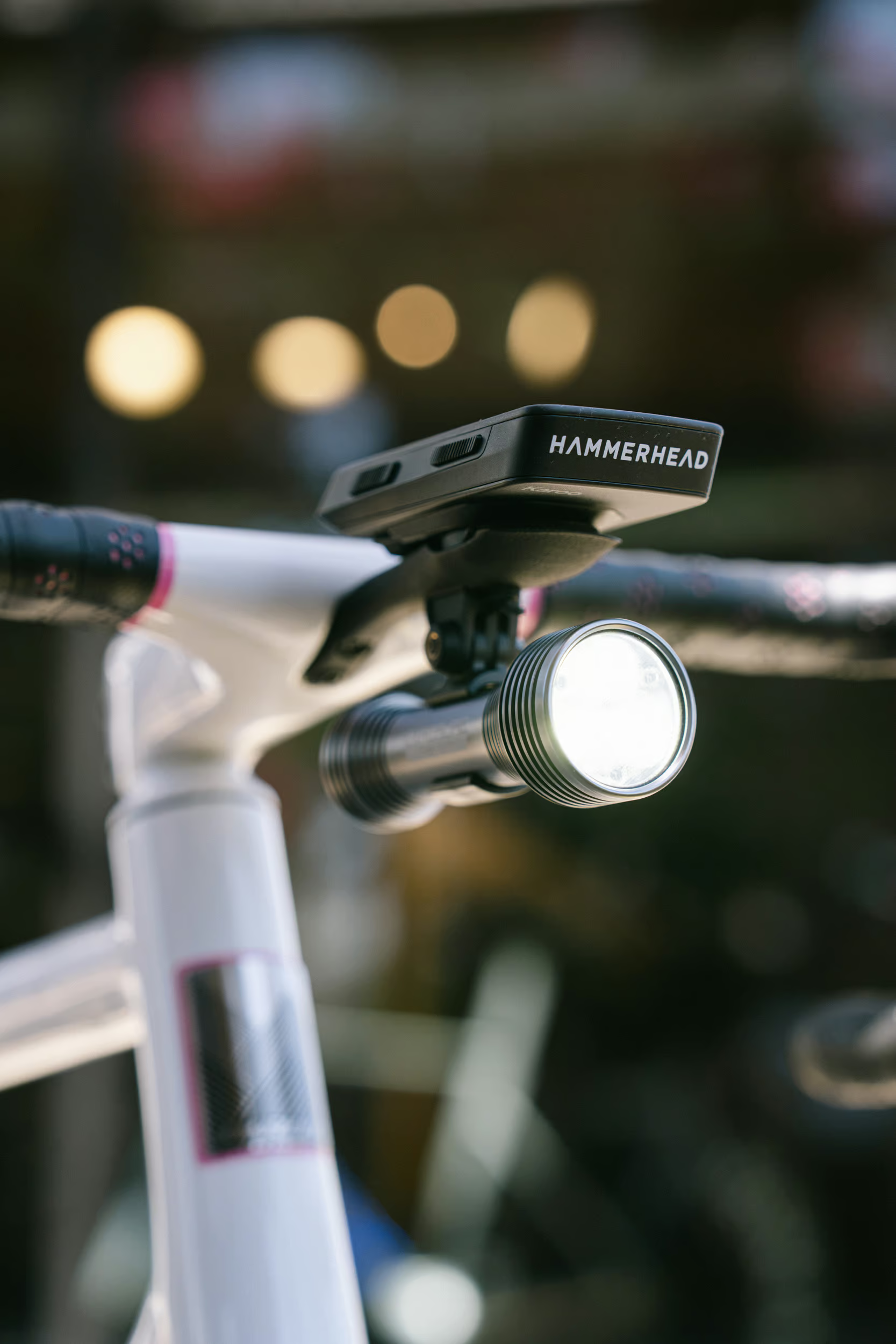
What sets Exposure apart isn't a single headline lumen figure. Plenty of lights are bright. It's the engineering underneath the brightness — the drive electronics, the thermal management, the lenses refined over twenty years to throw exactly the beam a rider needs. The road models carry a road-specific pattern that lights up the way ahead without dazzling oncoming traffic. The trail and adventure lights throw a wide, generous vignette that fills your peripheral vision as well as the distance. Each one is a self-contained unit — no trailing cables, no separate battery pack to strap to your frame, no faff. Just a light you charge, mount, and forget about until you need it.
Built to Last and Repair
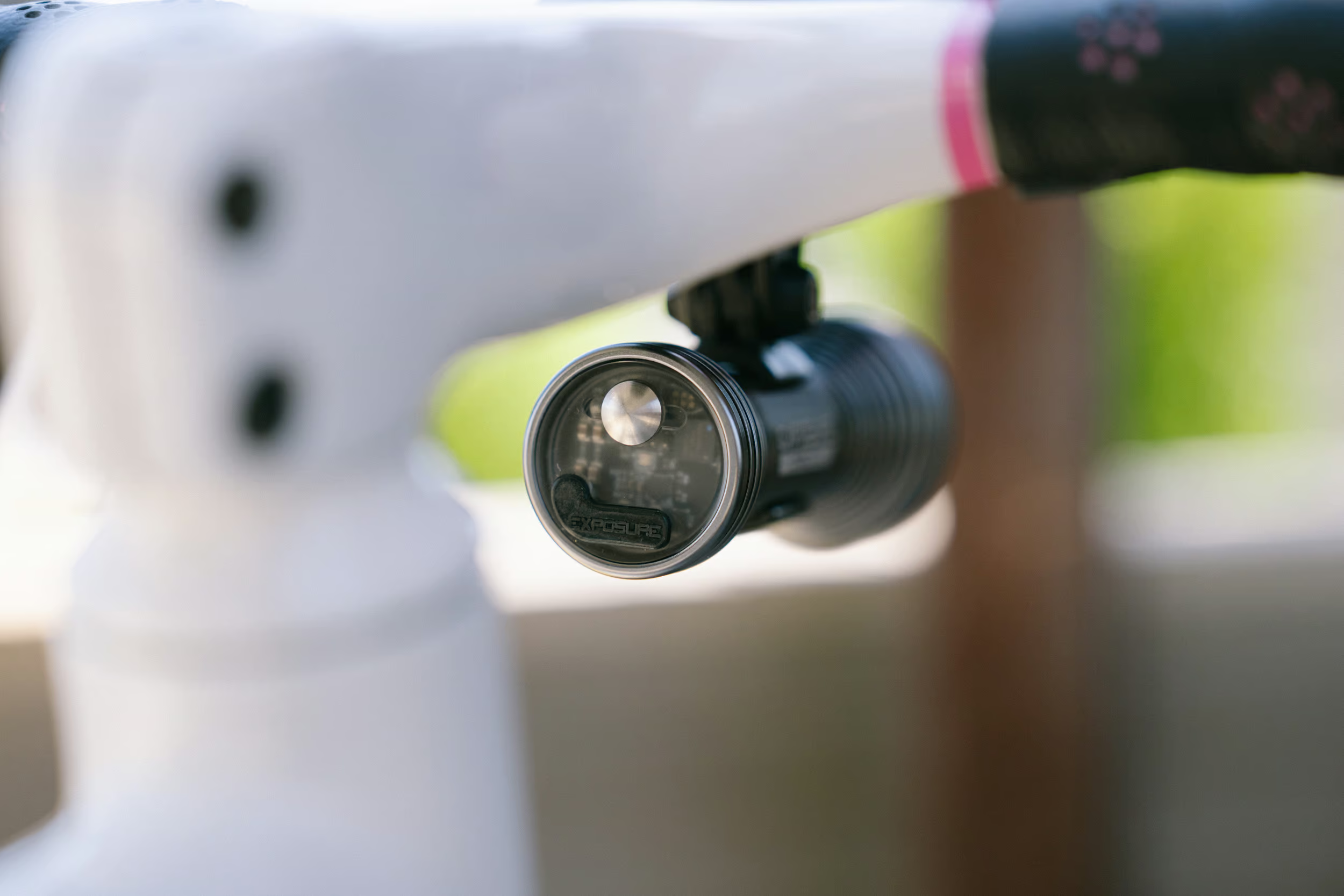
When most bike lights fail outside their warranty, that's the end of the road — you bin it and buy another. Exposure takes the opposite view. Its lights are designed to be serviced, repaired, and brought back to life rather than thrown away. The warranty runs to three years, but plenty of riders are still running Exposure units far older than that, sent back, refreshed, and returned to the night. In an industry that's grown comfortable with disposable, that's a quietly radical position — and it's the reason a serious Exposure light is a buy-once proposition rather than a recurring expense.
The cleverness extends to how the lights behave on the move. Reflex technology, found on the trail-focused models, reads the rider's speed and the gradient through onboard accelerometers and a gyroscope, then dials output up on the fast descents and back on the slow climbs — saving battery for the moments that actually demand it, no buttons required. AKTiv mode borrows a trick from the automotive world, auto-dimming when it detects an oncoming vehicle so you're never the rider blinding everyone on the bike path. And Daybright pulse patterns are tuned to cut through the visual noise of daytime traffic, because the most dangerous time to be invisible isn't always after dark.
Why Exposure Makes Sense in Arizona
It might seem odd to reach for lights engineered in the damp of the South Downs when you're riding under an Arizona sky. But the case is straightforward. Out here, the smart riding happens at the edges of the day — dawn starts to beat the heat, dusk loops as the desert cools and the light turns gold. Both put you on the road in low light, and the summer reality of pre-dawn miles and after-work spins means a dependable light isn't a winter accessory, it's a year-round one. Add the riders chasing gravel into the hills as the sun drops, the bikepackers stringing together overnight efforts, and the commuters threading Tempe and Scottsdale traffic, and the need is obvious.
Exposure's daytime running patterns earn their keep in the desert glare, where being seen at noon matters as much as seeing at night. The self-contained, sealed construction handles dust and heat without complaint. And that buy-once, fix-don't-bin philosophy suits a rider who'd rather invest in one piece of kit that lasts than replace a cheap one every other season. Quality that travels, in other words — from one set of demanding conditions to another.
The Exposure Range at Regroup
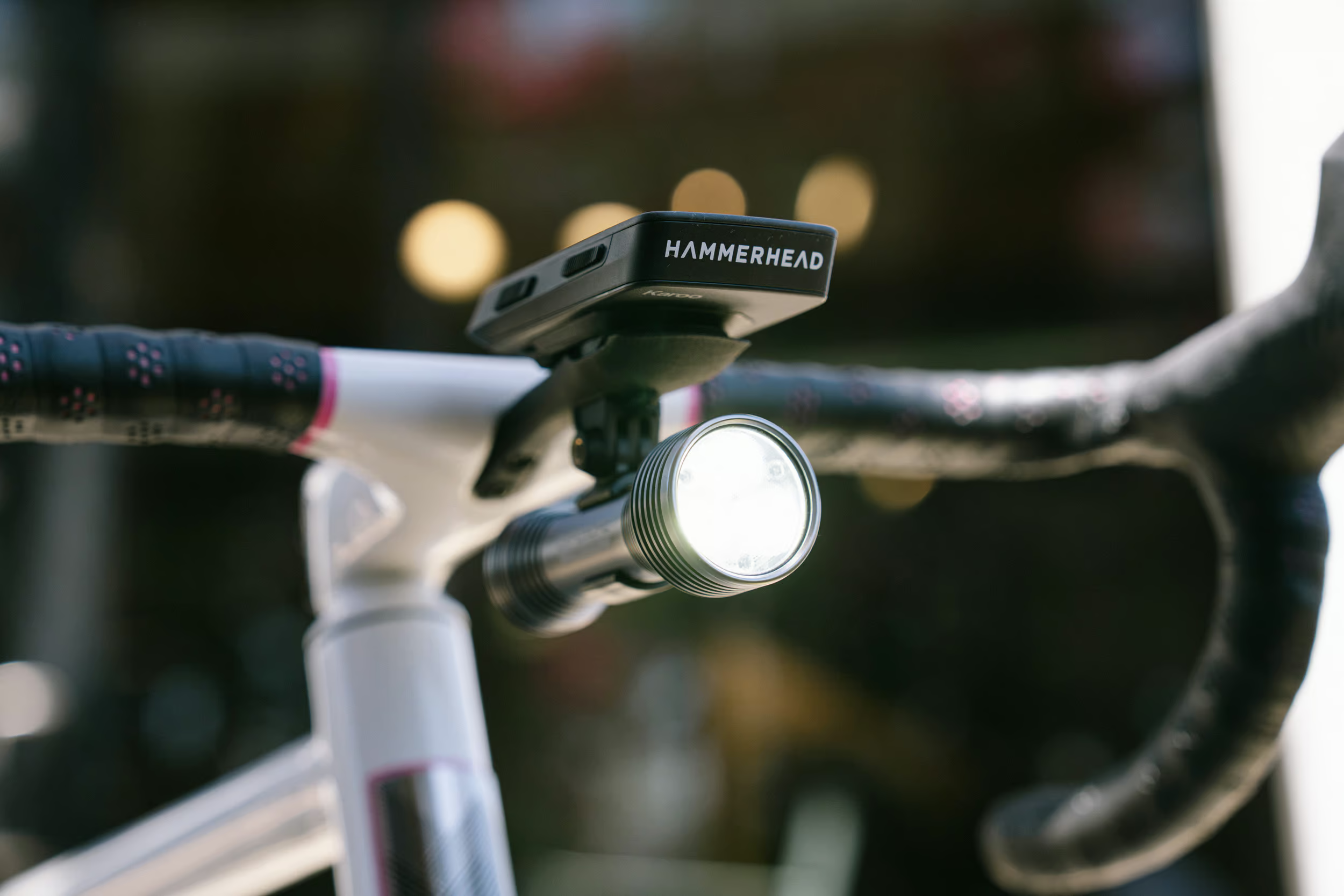
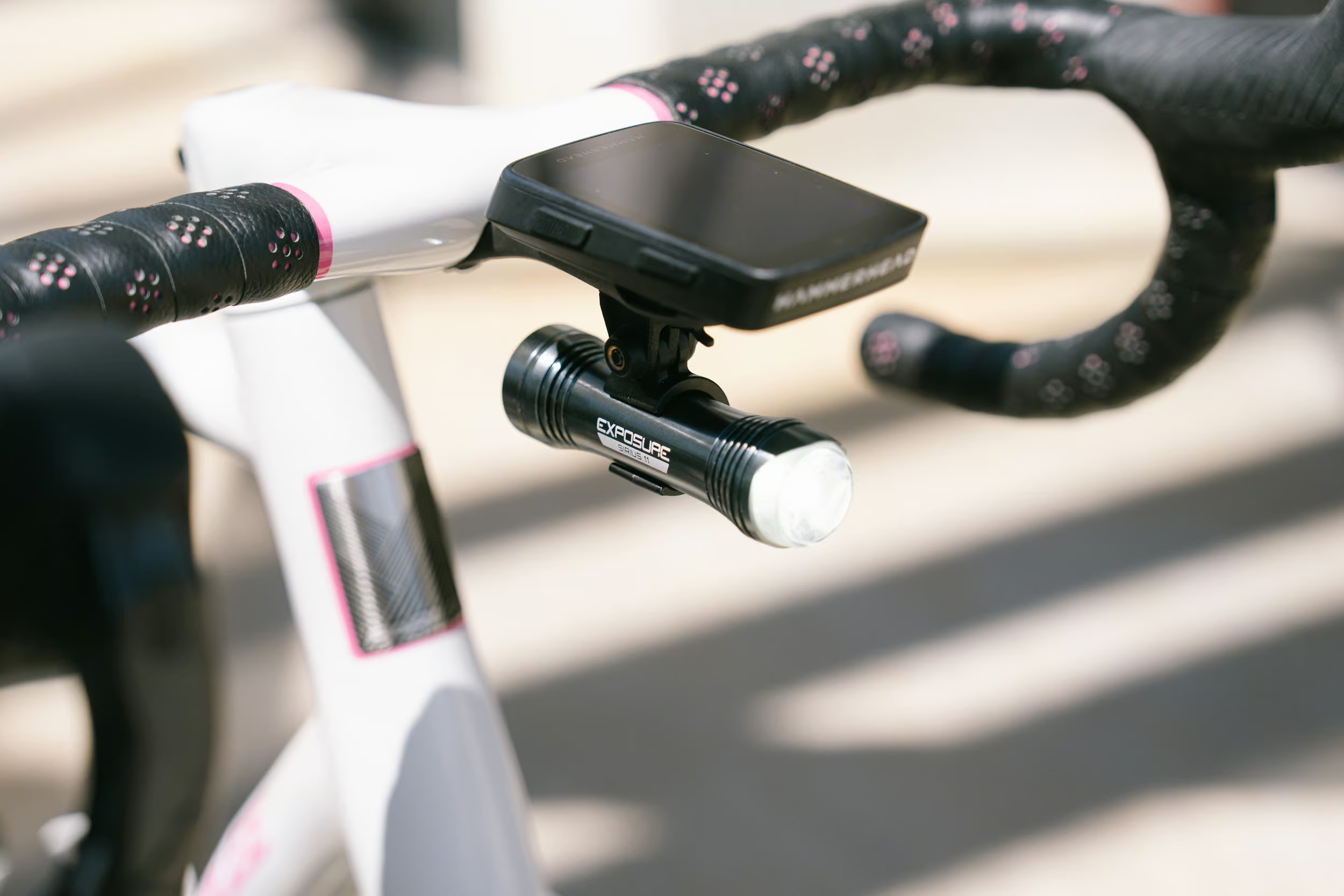
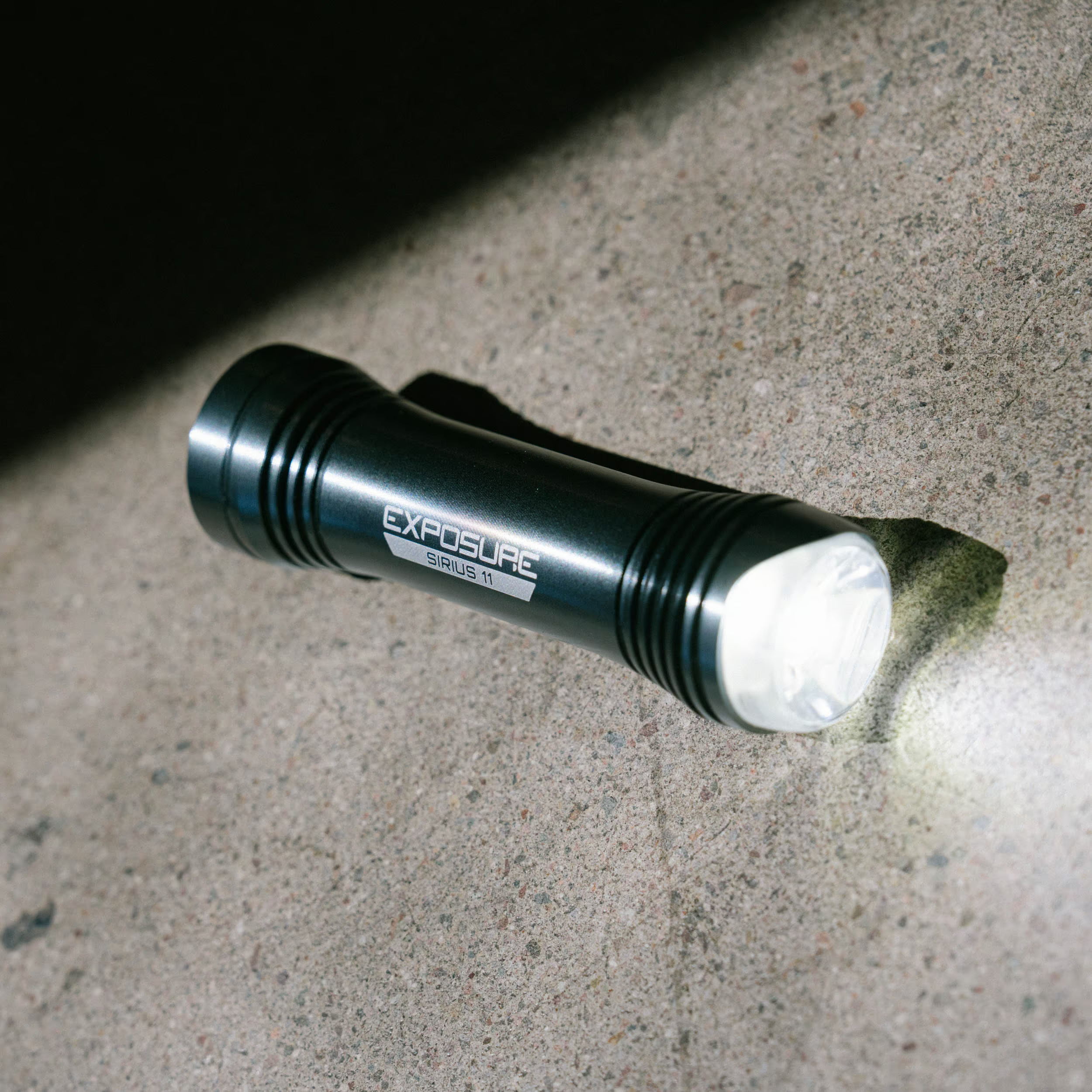
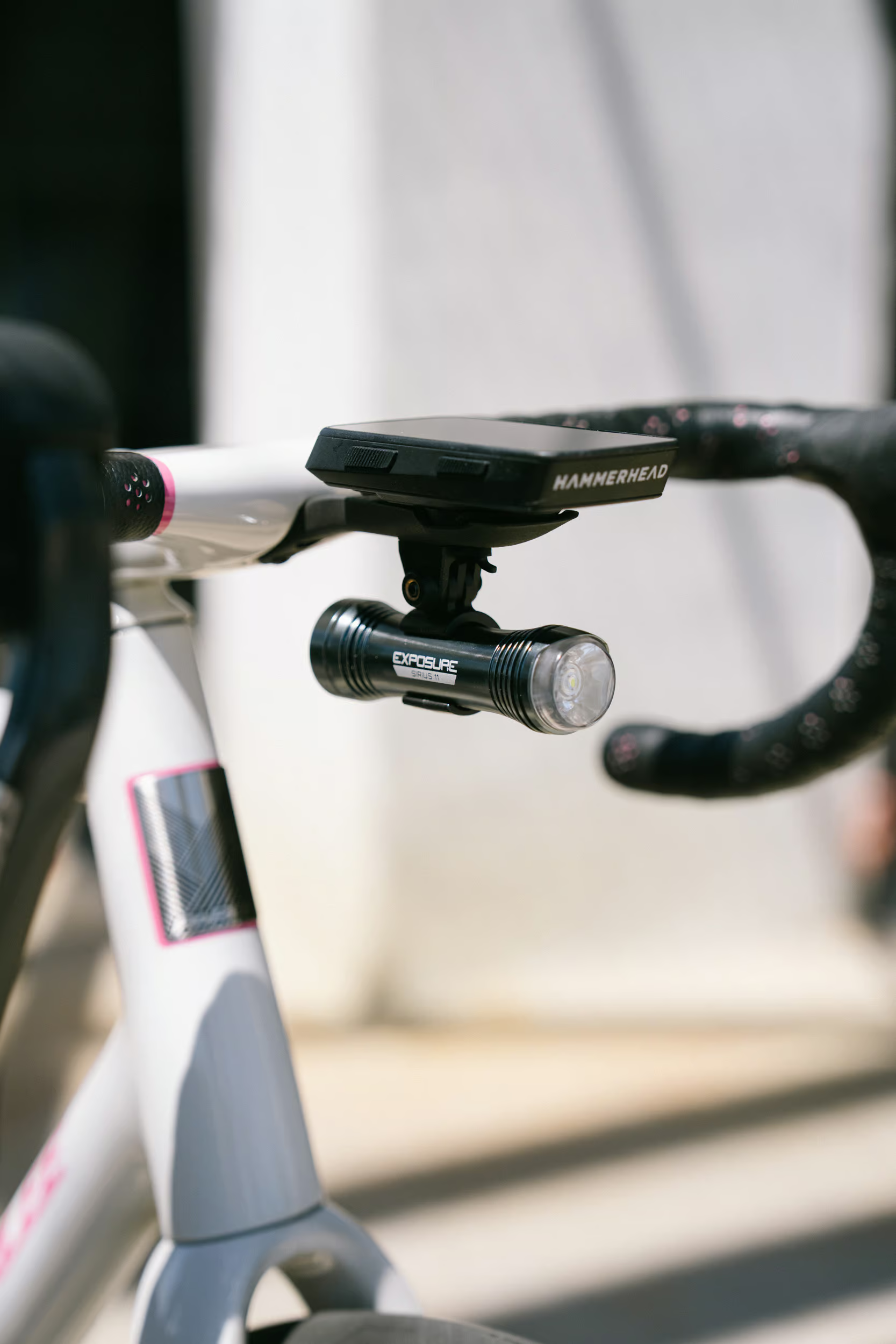
We've brought in a spread of the line that covers the riding our community actually does. The Strada RS AKTIV is the road rider's light — a road-specific beam with the auto-dimming AKTiv smarts, ideal for shared paths and early starts where you want to see and be courteous in equal measure. The Diablo is the compact powerhouse: small enough to live on a helmet or bar, bright enough for trail and adventure work, and a long-standing favorite for riders who want serious output in a pocketable package. The Sirius is the versatile everyday front light — commute, train, road — with the run-time and Daybright daytime modes to keep you visible around the clock.
EXPLORE Exposure Lights
Related Brands
Discover More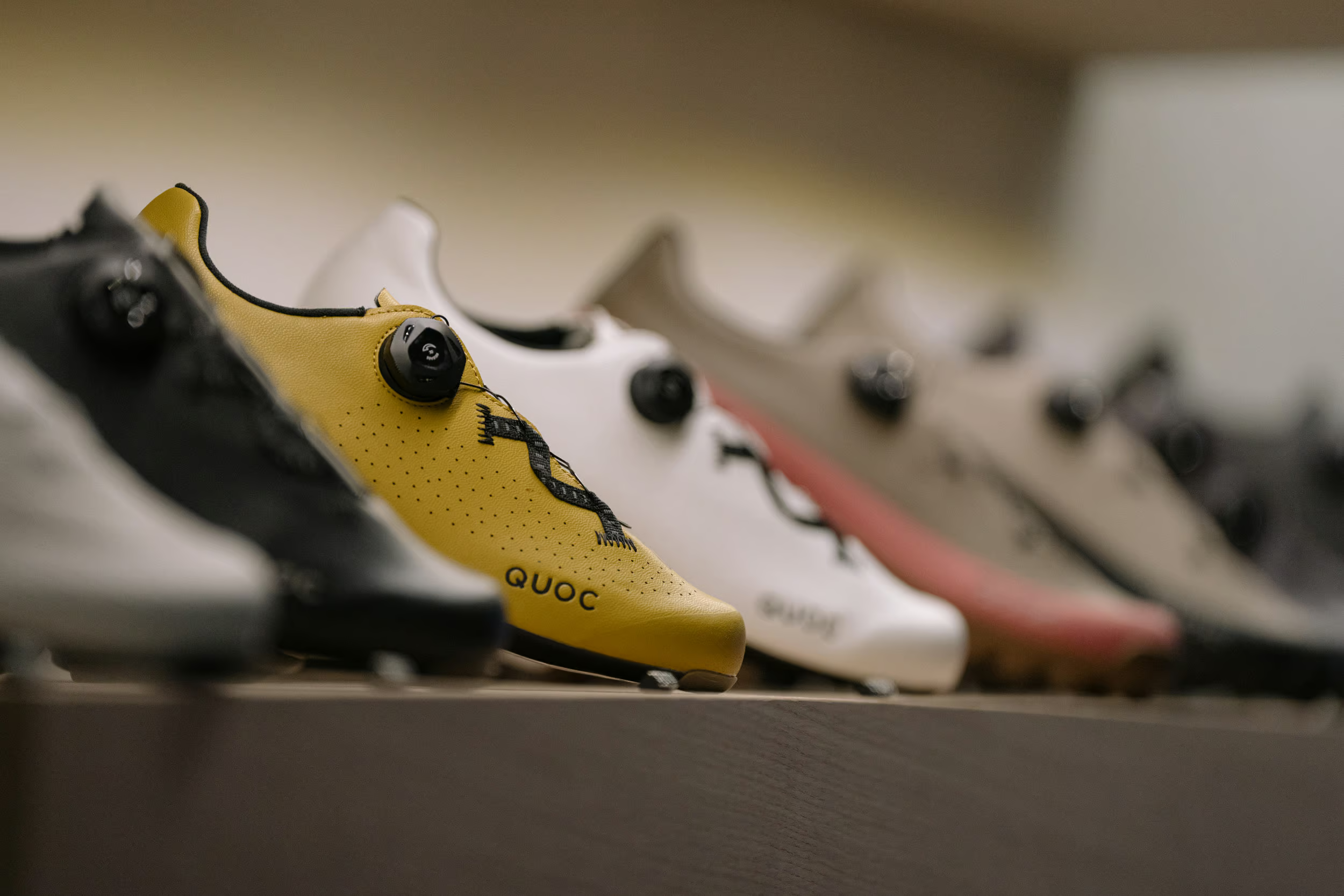
Quoc Shoes
Stylish cycling footwear with a British edge.
Quoc Shoes
Stylish cycling footwear with a British edge.
Zipp Wheels
Breaking the barriers to speed
Zipp Wheels
Breaking the barriers to speed