Gravel cycling in Arizona is a choice between two very different worlds: north and south. For those planning a trip, dive into our quick‑reference guide and choose the right side of the state for your next adventure.
The depth and breadth of local knowledge you amass when you ride from your own door is staggering. But when you're planning to roll wheels in another place - another state - and want to cut to the chase and ride like a local, or at least get up to speed without starting from scratch, you either open up a host of tabs and hope for the best, or find yourself a comprehensive quick-reference guide informed by a rider who knows the lay of the land. Someone like Lindsay Gaesser of the Regroup Women's Race Team, whose incredible knowledge of the gravel landscape in Arizona helped us to shape the off-road cycling guide below, one that looks to the north and south of the state, to the loam and evergreens of Flagstaff, to the big skies and shifting sands of the dusty south in Patagonia. For something so accessible, the guide covers a lot of ground, touching on regional differences, terrain, logistics, the gear you'll need, vibe and more. If you'd like to go deeper, check back soon for our long-form interview with Lindsay, which will expand on all the areas covered below.
Gravel Riding in Arizona – Flagstaff vs Patagonia
1. Overview – What Sets the Two Regions Apart
Aspect
Flagstaff (North Arizona)
Patagonia (South Arizona)
Road surface
Mostly well‑maintained forest gravel that is regularly graded and refreshed. Occasional washboard sections, but overall consistent.
Highly variable: sand‑filled descents, hard‑packed sections after rain, and “wild‑west” rough tracks. Conditions can swing dramatically from one ride to the next.
Scenery & vibe
Alpine‑style “red‑dirt / volcanic” landscape, dense forest, cooler temperatures, many interconnected loops that lead you back to where you started.
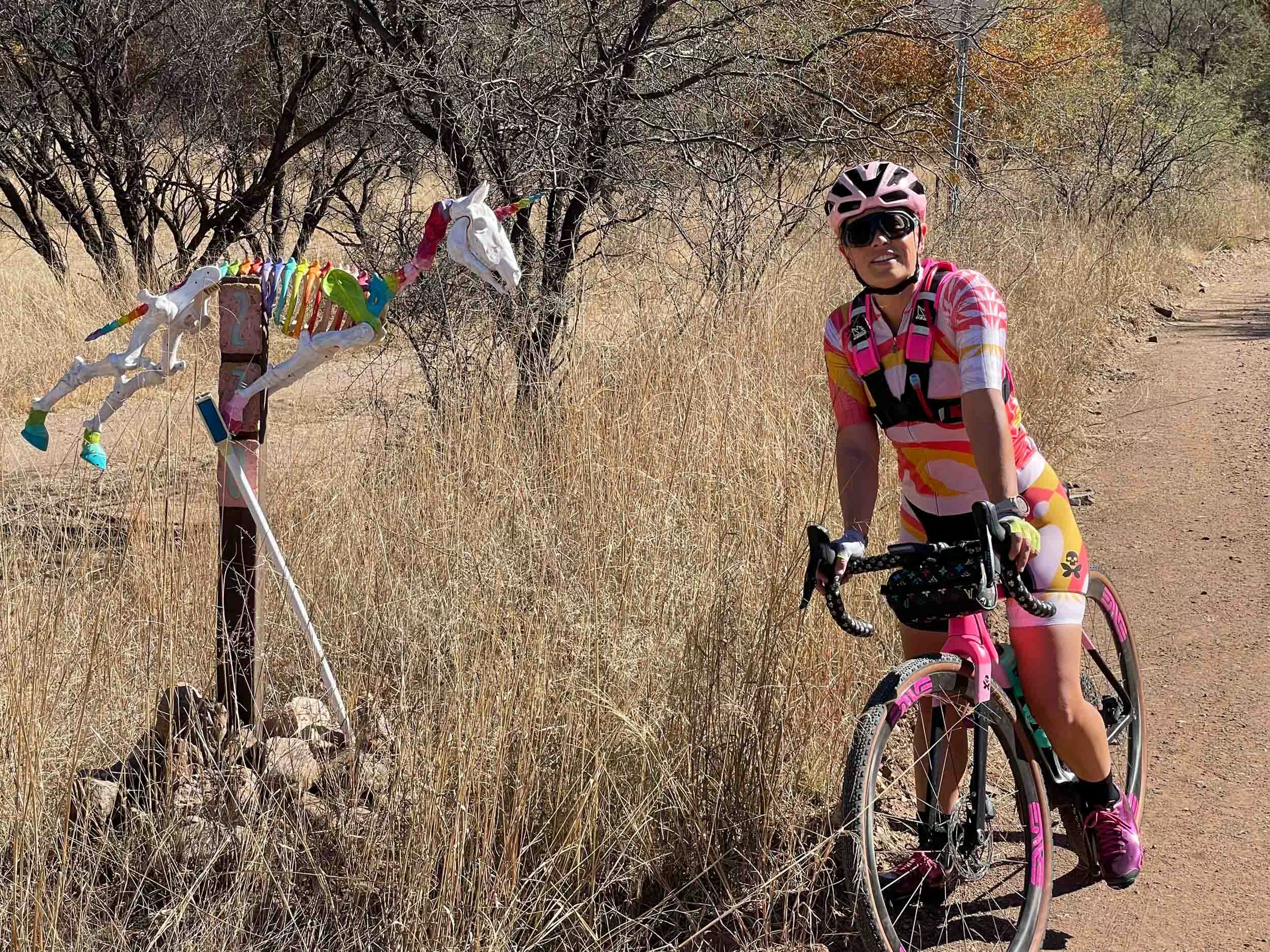
Open, arid desert with dramatic canyons, golden grasses, large boulders, and a genuine “Wild West” feel. Routes feel more untamed and isolated.
Traffic & maintenance
Frequent off‑road vehicle traffic (dirt bikes, side‑by‑sides). Roads are frequently graded and kept in good shape by forest service and mining traffic.
Some sections are maintained for border‑patrol trucks and mining traffic, but overall maintenance is spotty.
Seasonality
Best riding windows: May – June and September – October (shoulder‑season). Summer is tolerable but can feel hotter due to being at altitude; winter brings snow and forest‑road closures.
Rideable most of the year (Nov – Apr is peak). Warmest months (June – August) are very hot; early autumn (Sept‑Oct) is still pleasant. Winter rides start chilly, so pack a jacket.
Accessibility
~2 h 15 min drive from Phoenix; occasional short flight to Flagstaff. Plenty of lodging, restaurants, and a vibrant town base.
~3 h drive from Phoenix (or ~45 min from Tucson). Small town with a micro‑hotel (9 rooms + communal kitchen) and several Airbnbs. Bike shop on‑site for quick fixes.
Typical stay length
4‑5 days** for a thorough exploration (many routes, single‑track, mountain‑bike loops). A long weekend feels rushed.
3‑4 days** is a sweet spot; the area is smaller and routes are fewer, so a long weekend can work, but a 4‑day stay lets you repeat a favorite or try a tougher climb.
2. Terrain & Difficulty
Flagstaff
Consistent, moderate‑grade forest roads – great for riders who want predictable grip.
Rolling hills with occasional steep “punchy” climbs north of town.
Double‑track & mountain‑bike single‑track are also accessible for mixed‑skill days.
Surface: 38 mm tires with moderate tread work well; many describe it as “champagne gravel.”
Suspension: Usually half‑open or not needed; the roads are smooth enough that a rigid fork is fine for most rides.
Patagonia
Highly variable – sand pits (sometimes ankle‑deep), some water crossings and washboard stretches.
Long, sustained climbs (e.g., a 13‑mile climb with 10‑15 % grades) that may start in sand before tightening up.
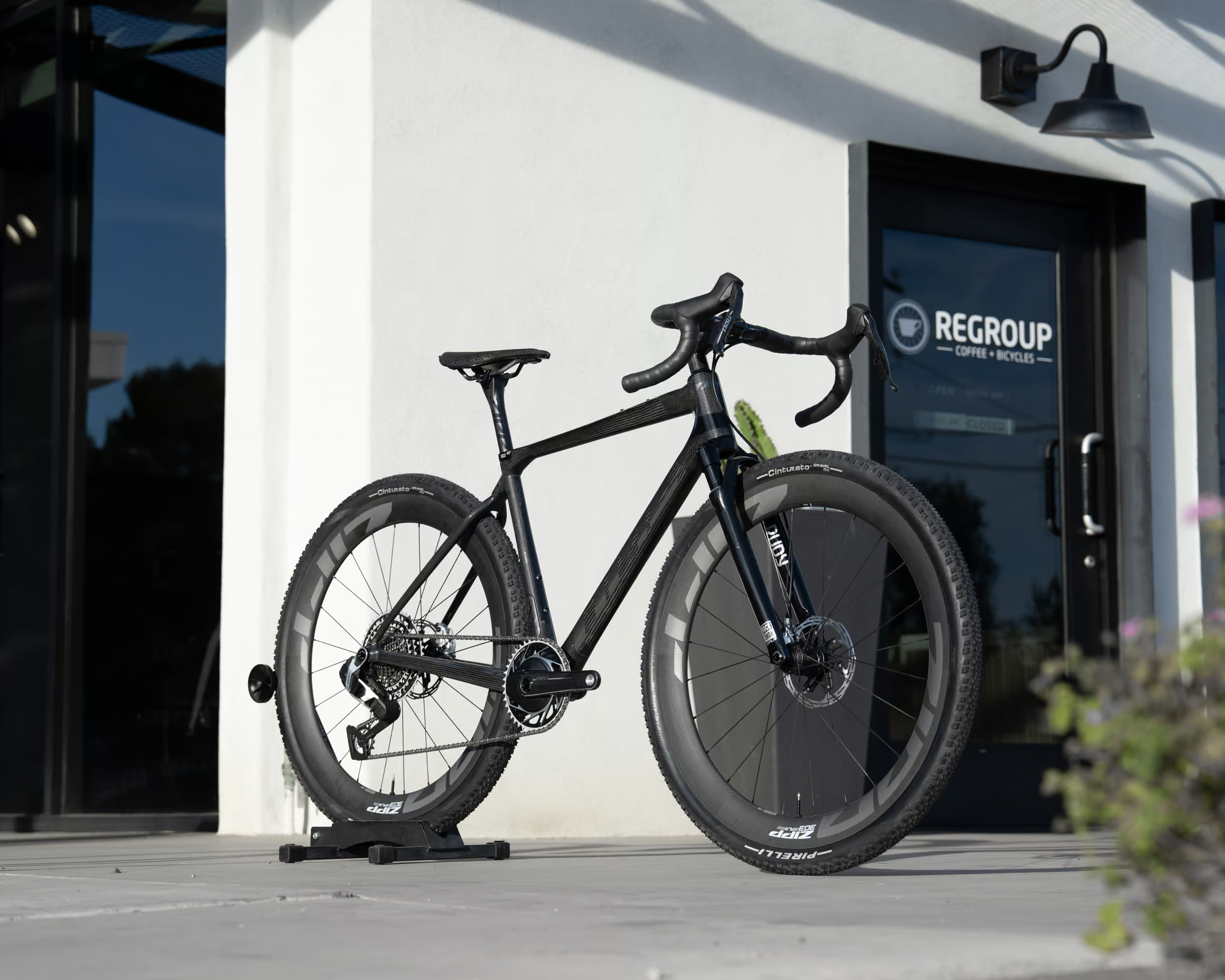
Surface: 45‑50 mm knobby tires are recommended for comfort and traction.
Suspension: Fully open front fork (or low‑pressure wide tires) is advisable because the terrain can be brutally rough.
3. Logistics – Water, Food & Supplies
Need
Flagstaff (North)
Patagonia (South)
Self‑support
Recommended for most routes; no guaranteed spigots.
Fully self‑supported; water sources are scarce.
Convenient resupply
General store & restrooms near the lakes (Lake Mary/Mormon Lake) about halfway on many rides.
No regular stores on the routes; the town’s market, local grocery store, and bike shop are the only nearby services.
Gear to carry
Light hydration pack (2 L + bottles) is sufficient for most day rides.
Large hydration vest (≥2 L) + extra bottles; consider a support vehicle for ultra‑long rides (e.g., Spirit World 100).
Accommodations
Wide range: hotels, Airbnbs, campgrounds; easy to find a place near the trailhead.
Micro‑hotel (9 rooms + bath) is the primary hub; additional Airbnbs in downtown.
4. Gear Checklist – What to Pack for Each Region
Item
Flagstaff Recommendation
Patagonia Recommendation
Tires
38 mm, moderate tread (champagne‑style)
45‑50 mm, aggressive knobby tread
Pressure
Slightly higher (≈ 40 psi) for firm grip
Lower pressure (≈ 30 psi) on variable terrain
Front Suspension
Optional, half‑open if you like a smoother feel
Strongly recommended – fully open fork or a bike with rear travel
Clothing
Light jacket/vest + arm warmers; layers for sudden rain
Light jacket for winter rides; otherwise breathable shirt + sunscreen
Hydration
2 L pack + 2‑3 bottles
≥ 2 L pack + extra bottles; consider a support vehicle for > 100 km rides
Navigation
Offline maps of forest road network (many loops)
Detailed route notes; be prepared for unmarked primitive roads
Safety
Basic first‑aid kit, spare tube, tire levers
Same, plus extra water and a plan for limited cell coverage
5. Vibe & Community
Flagstaff feels like a classic mountain‑town getaway. You’re never far from restaurants, coffee shops, and a lively downtown. The gravel scene is “under‑the‑radar” – locals know the roads, but it’s not heavily marketed.
Patagonia carries a curated yet authentic “wild‑west” atmosphere. The town’s Gravel House and the micro‑hotel create a tight‑knit community vibe. Media coverage (GCN, Velo News) has built a reputation that draws riders from far away, but the experience still feels remote and self‑reliant.
6. Quick Decision Guide
Preference
Flagstaff
Patagonia
Predictable surfaces
Consistently groomed gravel
Variable sand & washboard
Cooler temps & forest scenery
Alpine‑style, shade, lower heat
Hot desert exposure
Short weekend trip
Can squeeze a solid ride in 2‑3 days, but 4‑5 days is ideal
3‑4 day trips work well
Desire for “off‑grid” adventure
Near town amenities, easy rescue
Remote, self‑supported, true unplug
Willingness to carry more water & gear
Minimal water stops needed
Must be fully self‑supported
Interest in varied terrain each ride
Similar forest loops
Every ride can feel dramatically different
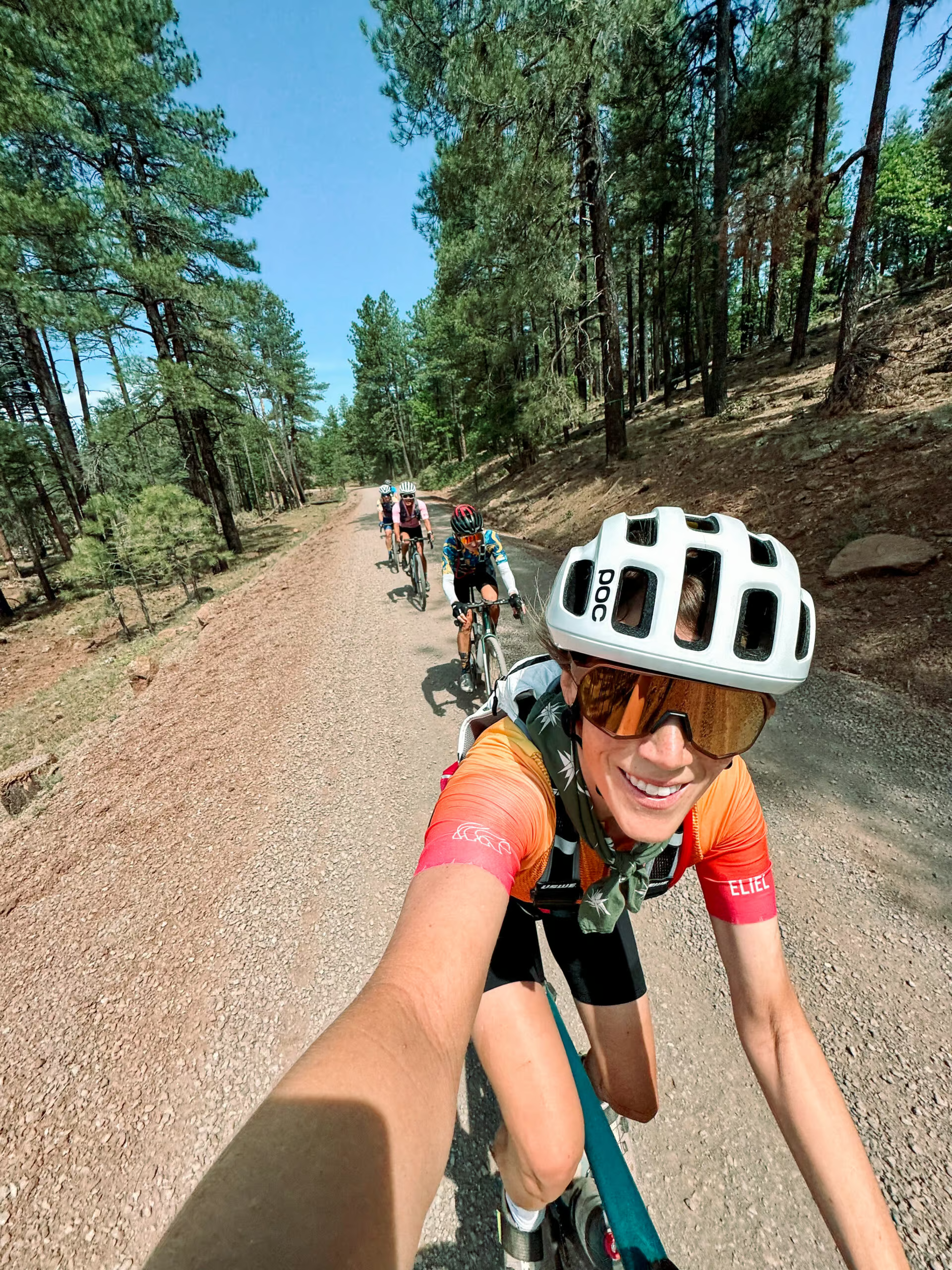
Lindsay leading the way in Flagstaff
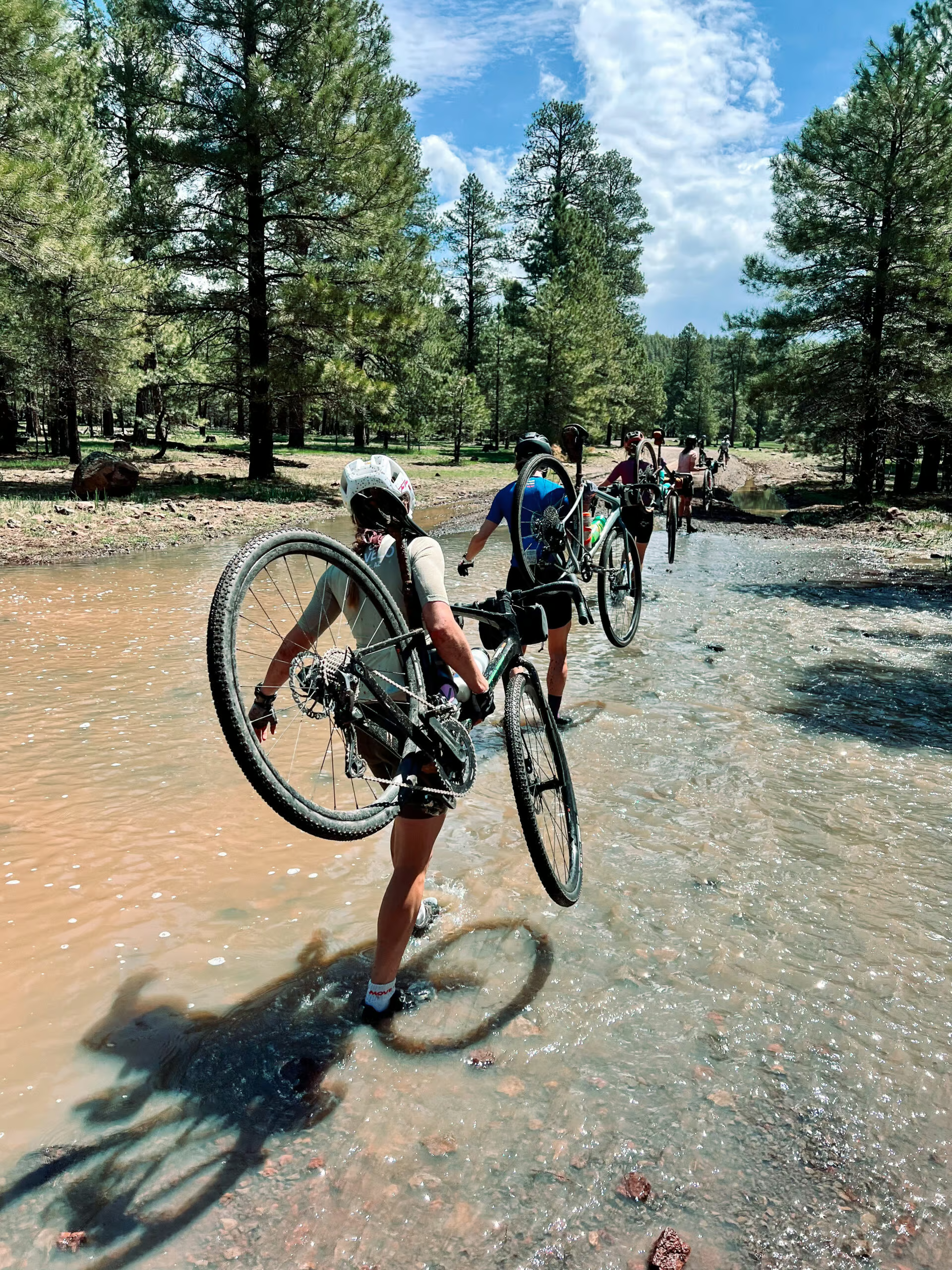
Scenes of green: Flagstaff has a very different color palette
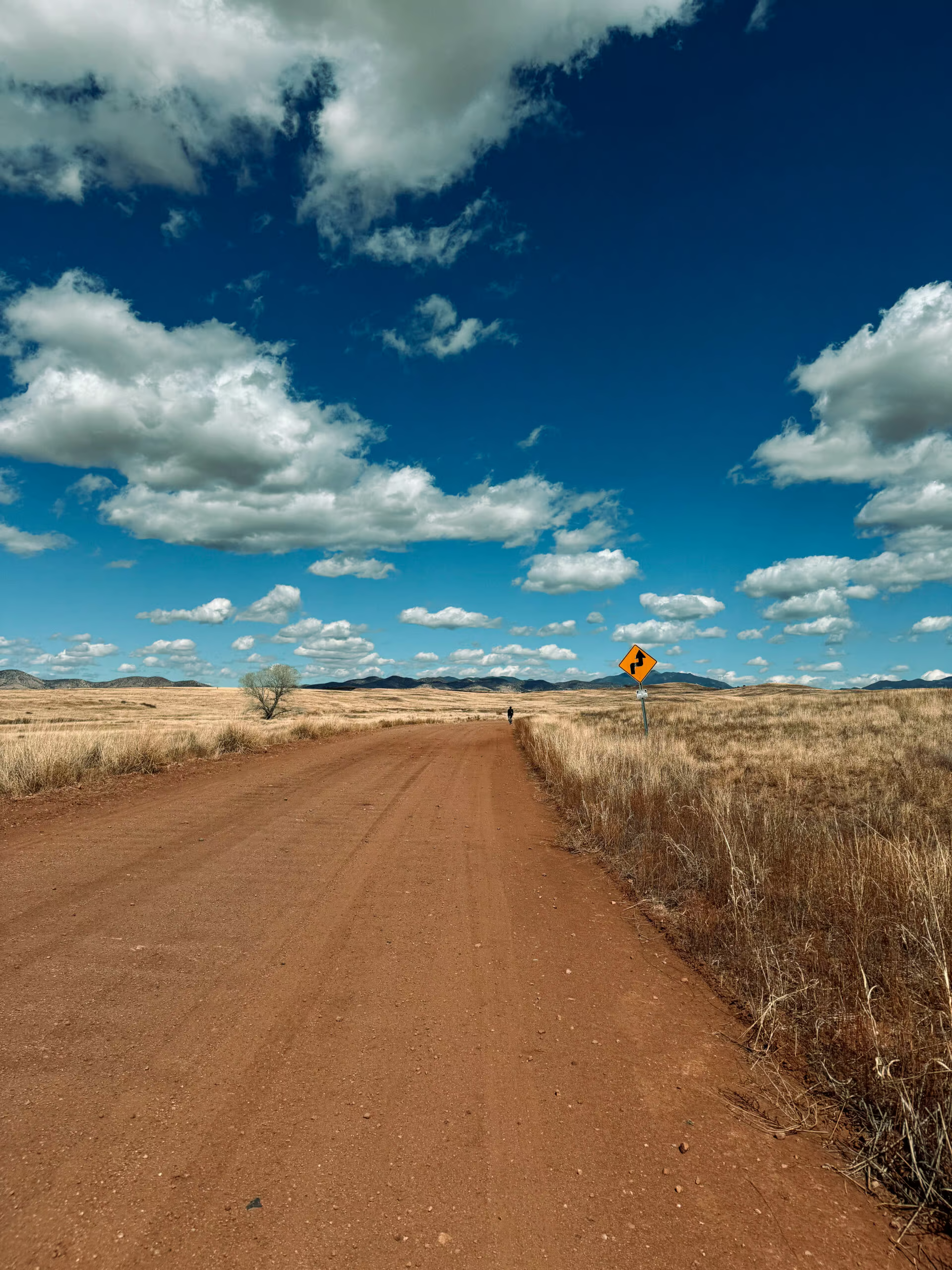
In Patagonia, trails can change with the weather, from smooth to a shudder-fest in no time at all
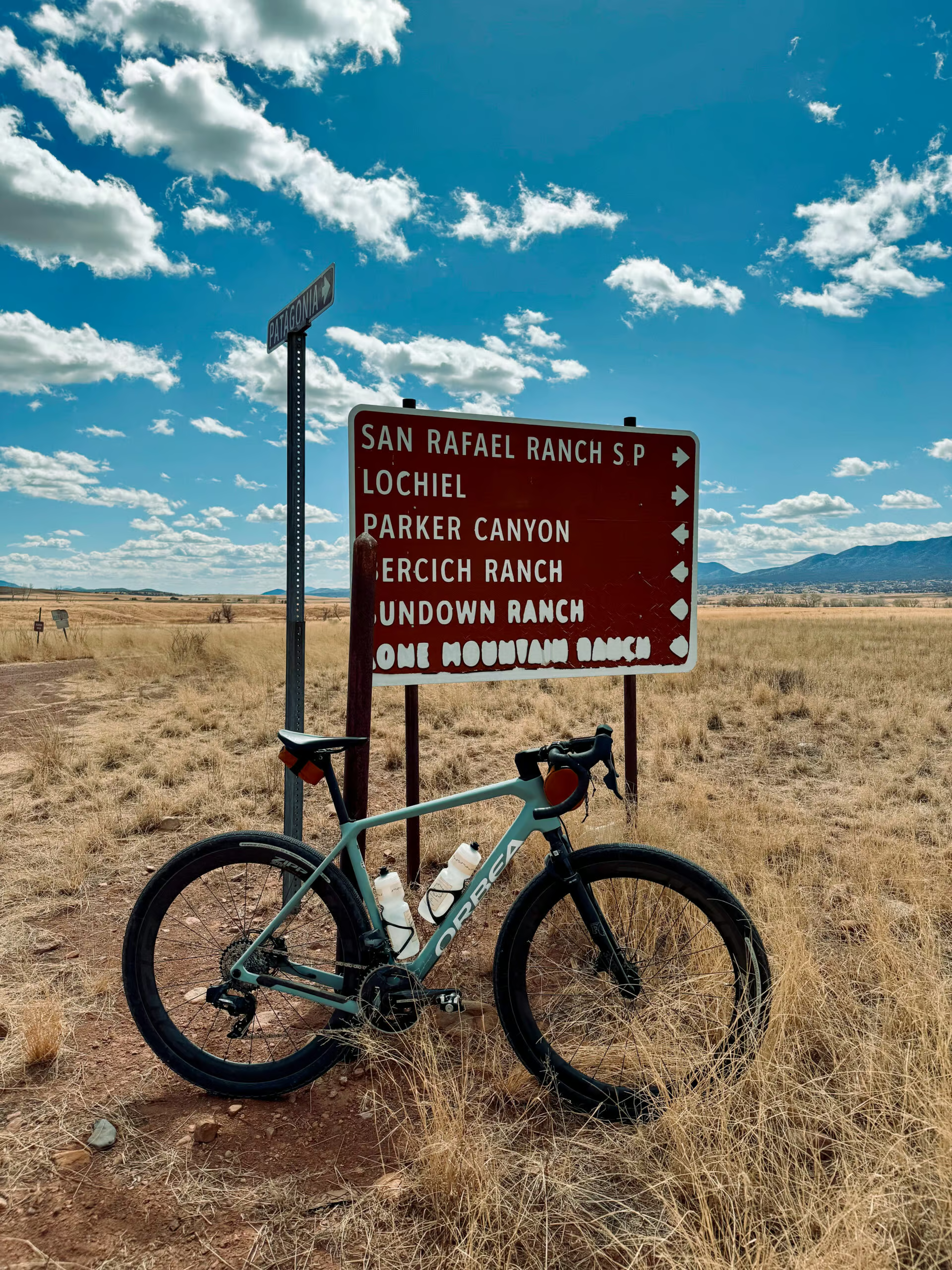
Patagonia doesn't come with many comforts but you'll still find an occasional sign
Flagstaff Gravel Routes
Two Flagstaff route options with very different elevation gains.
Patagonia Gravel Routes
An out-and-back or a longer loop – two of Lindsay’s favorite Patagonia rides.